
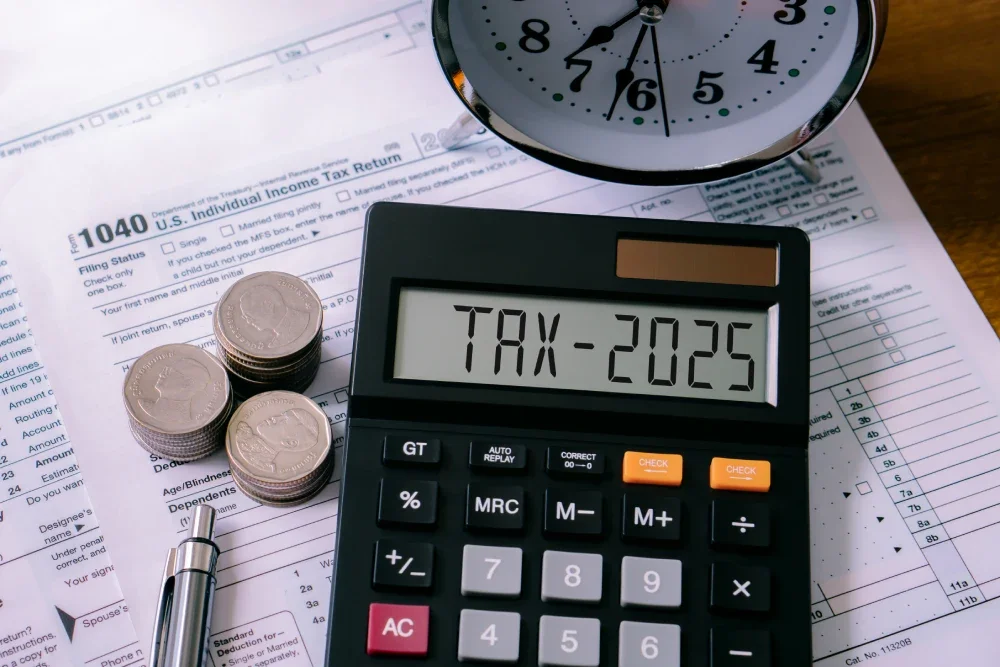
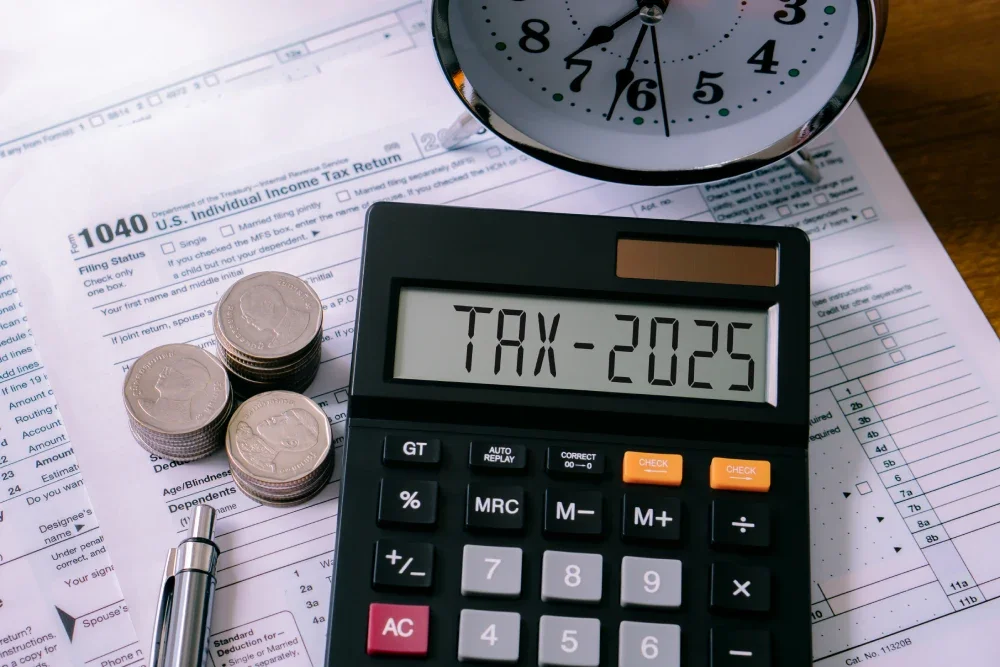
The tax due deadline is one of those dates you don’t want to miss. Every year, people scramble at the last minute asking, when are taxes due this year, when do taxes need to be filed, or what's the last day to file taxes. And trust me, waiting until the last day to do taxes is never fun.
The tax due deadline is basically the final call. It’s the last day to file your tax return and pay what you owe without facing penalties. Understanding this date early in tax season 2026 can save a lot of headaches, money, and stress.
From filing returns to paying taxes and even asking for extensions, knowing the tax due deadline is step one in staying organized and on top of your taxes.
When Does Tax Season Start 2026
So, when does all this start? Many people are already asking when does tax season start 2026.
Here’s the scoop:
Filing season usually kicks off in late January.
That’s when the IRS opens electronic submissions.
Employers send W-2s.
Banks and financial institutions send tax forms.
Tax preparers get busy processing returns.
Starting early means you can get a jump on your tax due deadline, gather all your documents, and avoid last-minute scrambling.
When Are Taxes Due This Year
One of the biggest questions every year is when are taxes due this year. The tax due deadline is usually in mid-April, and this is the date you need to mark on your calendar if you want to avoid penalties.
Here’s what the tax due deadline covers:
Filing your federal tax return
Paying any taxes you owe
Requesting a filing extension if necessary
Waiting until the last day to submit taxes is risky because missing a form or hitting a technical error can cost you money and extra stress.
Important Tax Dates and Deadlines Throughout the Year
Taxes aren’t just about one day. Knowing important tax dates and deadlines throughout the year keeps everything in order and makes sure you’re never surprised.
| Tax Event | Typical Timing |
|---|---|
| Start of Tax Season 2026 | Late January |
| Tax Forms Issued (W-2, 1099) | January – February |
| Filing Peak Period | February – March |
| Tax Due Deadline | Mid April |
| Extension Deadline | October |
These dates answer common questions like when do taxes need filed, giving you the full picture so you’re ready well before the tax due deadline.
What Is the Last Day to File Taxes
People often ask when’s the last day to file taxes. Here’s the simple answer: the tax due deadline is that day.
No extension? That’s the last day tax returns can be submitted.
With an extension, you still need to pay taxes by the tax due deadline, but you get extra months to file the return. Knowing when is the last day to file your taxes is key because the IRS doesn’t wait—penalties start ticking right after the deadline.
What Happens If You Miss the Tax Due Deadline
Miss the tax due deadline, and you’re looking at penalties. Let’s break it down:
Late filing penalty: Applied if you submit after the tax preparation deadline, usually a percentage of unpaid taxes. It grows each month, so the sooner you file, the better.
Late payment penalty: Even if you file, unpaid taxes accrue penalties and interest daily.
So missing the tax due deadline isn’t just stressful—it can hit your wallet too. Filing quickly after the deadline is better than waiting months.
Filing an Extension
Life happens. Sometimes you just aren’t ready by the tax due deadline. That’s where extensions come in.
Here’s the deal:
Extensions push the filing date to October.
They do not extend the date you must pay taxes. The tax due deadline still stands.
Request the extension before the tax due deadline.
Estimate your tax bill and pay it to avoid penalties.
Extensions give breathing room for paperwork, but you still need to handle the money part on time.
Why Filing Early Is Better
Waiting until the last day to do taxes is tempting, but filing early is always smarter.
Here’s why:
Refunds arrive faster
Less chance of identity theft
More time to double-check deductions
Stress-free before the tax due deadline
If you start soon after when does tax season start 2026, the whole process feels smoother and less hectic.

Understanding Tax Back Dates
Sometimes you realize you missed filing in previous years—these are tax back dates.
Back taxes happen when:
A return wasn’t filed
Payments were incomplete
Errors required amendments
Filing overdue returns quickly stops penalties from growing after the tax due deadline.
Simple Preparation Before the Deadline
Getting ready before the tax due deadline keeps everything simple.
Here’s a quick checklist:
Gather all income forms (W-2, 1099)
Collect receipts for deductions
Review bank and investment statements
Check eligibility for credits
Double-check numbers before filing
Doing this prep early keeps the tax due deadline stress-free.